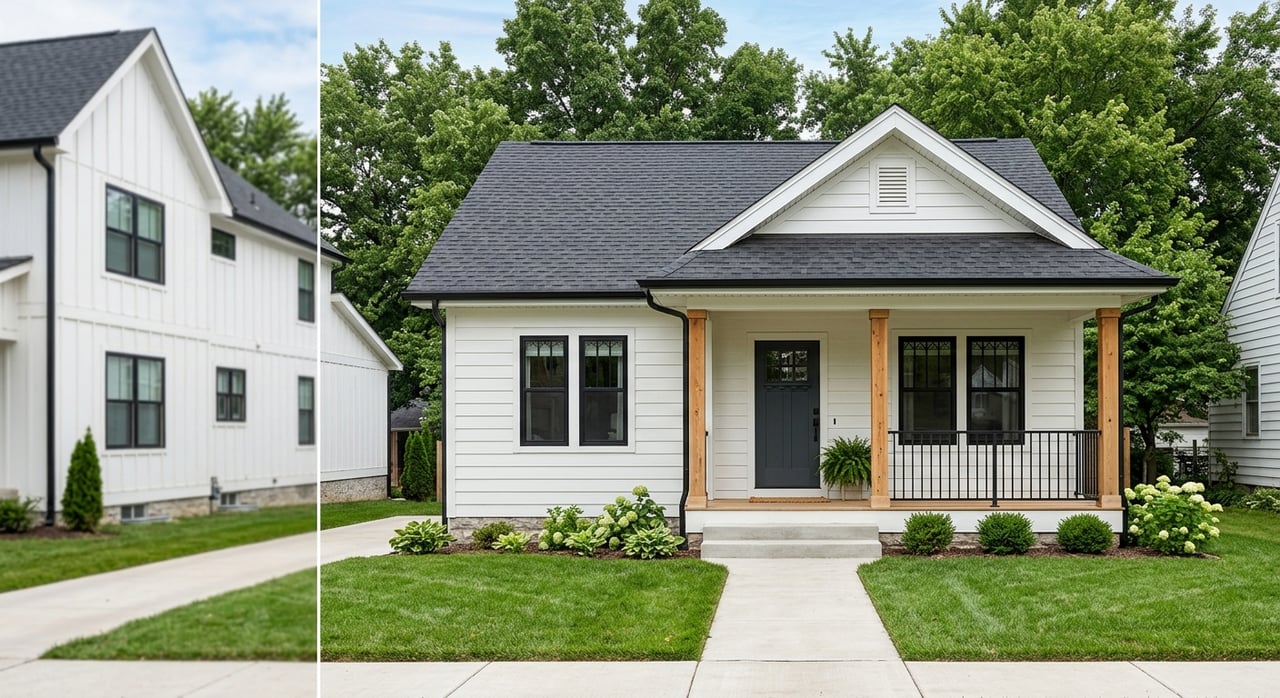
If you have ever driven through East Nashville and wondered why one block shows front-porch bungalows while the next has newer infill or rows of townhomes, you are not imagining things. East Nashville grew in layers, and that layered growth is a big reason buyers are often comparing very different home styles in the same general area. When you understand how those styles developed, it becomes much easier to narrow your search and spot the right fit for your lifestyle. Let’s dive in.
Why East Nashville Has So Much Variety
East Nashville did not grow all at once. According to the East Nashville Community Plan, the area includes historic resources from Nashville’s earliest suburban expansion through 21st-century infill, with a housing mix that includes detached homes, accessory dwelling units, townhouses, and stacked flats.
That means East Nashville is not a one-style neighborhood. It is a collection of older streetcar-era areas, post-fire rebuilding patterns, mid-century pockets, and newer redevelopment. For you as a buyer or seller, that variety creates options, but it also means two homes with similar price points may offer very different layouts, maintenance needs, and renovation paths.
Bungalows in East Nashville
Why buyers notice them first
Bungalows are some of the most recognizable homes in East Nashville. Nashville’s old-house guide describes the bungalow as a small one- or one-and-a-half-story house with a large front porch and a distinctly American look.
Many local bungalows fall under the broader Craftsman category or show strong Craftsman influence. In East Nashville, neighborhoods like Lockeland Springs-East End, Greenwood, and Edgefield are known for having many bungalow examples, which is one reason these homes are such a big part of the area’s identity.
Common bungalow features
Bungalows and Craftsman homes often stand out for details that feel warm and approachable rather than formal. Based on Nashville’s housing and old-house guides, features often include:
- Large front porches
- Overhanging eaves
- Rustic or durable materials
- Simple craftsmanship
- Efficient one- or one-and-a-half-story layouts
- Older-house character with strong curb appeal
If you want a porch-forward home with visible architectural detail, a bungalow may be what pulls you in first. These homes often appeal to buyers who value character and are open to the quirks that can come with older construction.
East Nashville Cottages
Smaller footprint, strong character
Cottages are another major part of East Nashville’s housing stock. Nashville’s housing typology guide defines a cottage as a relatively small detached house, usually one to one-and-a-half stories or two stories, often on a small lot.
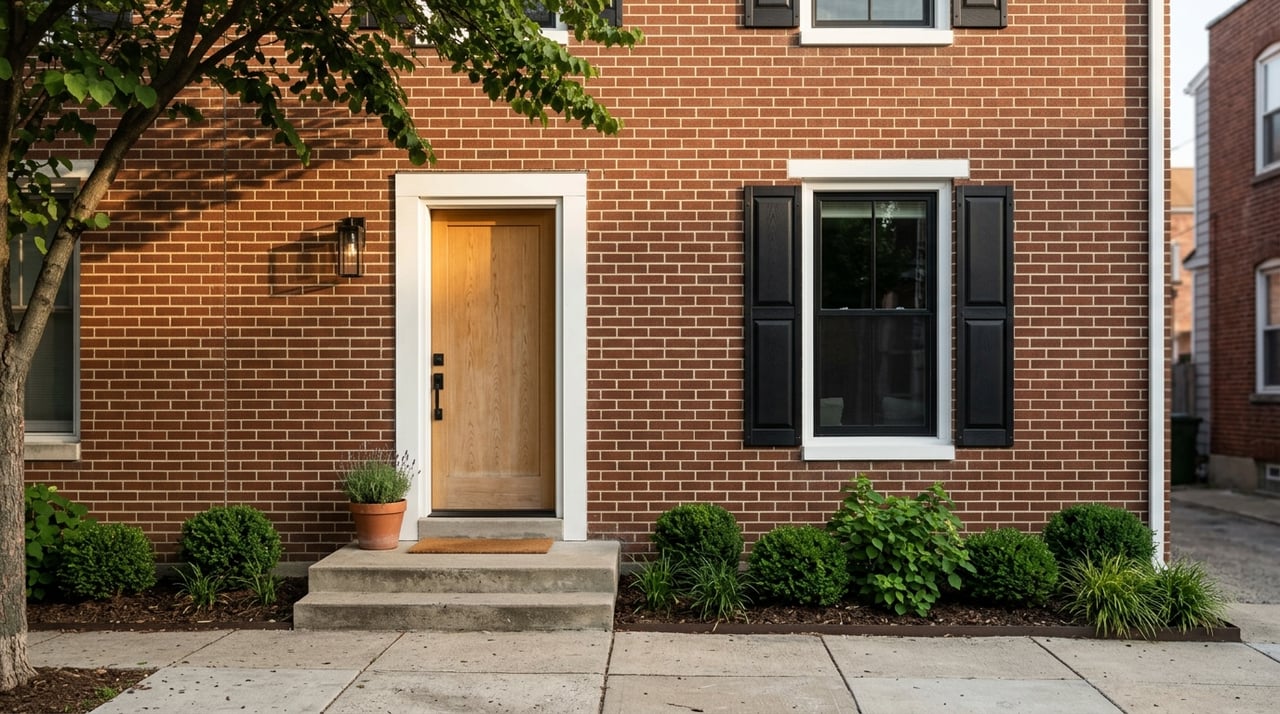
In East Nashville, cottages show up in turn-of-the-century areas and in later compact homes that are often labeled cottage-style or Minimal Traditional. These homes usually offer a modest footprint instead of maximum square footage, which can be appealing if you want charm without taking on a very large house.
What cottages often look like
Common cottage traits include:
- Simple massing
- Medium-pitched gable roofs
- Small stoops or porches
- Limited ornament
- Compact, manageable layouts
For many buyers, the appeal is simple. A cottage can give you historic feel and a smaller scale that may be easier to maintain than a larger detached home.
Other Historic Styles You May See
Bungalows and cottages get a lot of attention, but they are not the whole story. Historic district documents for East Nashville areas like Lockeland Springs-East End, Greenwood, and Edgefield also identify styles such as Queen Anne, Folk Victorian, American Foursquare, Tudor Revival, Spanish Eclectic, Italianate, and Minimal Traditional.
This is one reason East Nashville can feel so visually interesting from block to block. In some areas, you may see a row of compact cottages followed by a taller American Foursquare or a more decorative Victorian-era home. If you like older architecture, East Nashville gives you a wide range of forms to compare without leaving the same general part of the city.
Townhomes and Attached Housing
A practical option in an urban setting
If you want East Nashville access with less exterior upkeep, townhomes and other attached housing can be worth a close look. Nashville’s housing typology guide defines a townhouse as a row of identical or mirror-image homes that share side walls, while stacked townhouses place multiple units vertically.
The East Nashville Community Plan notes that townhouses and stacked flats are already part of the local housing mix. So while detached homes often get most of the attention, attached options are part of how the neighborhood has evolved.
Why some buyers prefer them
For many buyers, townhomes offer a different kind of convenience. They may be a strong fit if you are looking for:
- Lower exterior maintenance than a larger detached lot
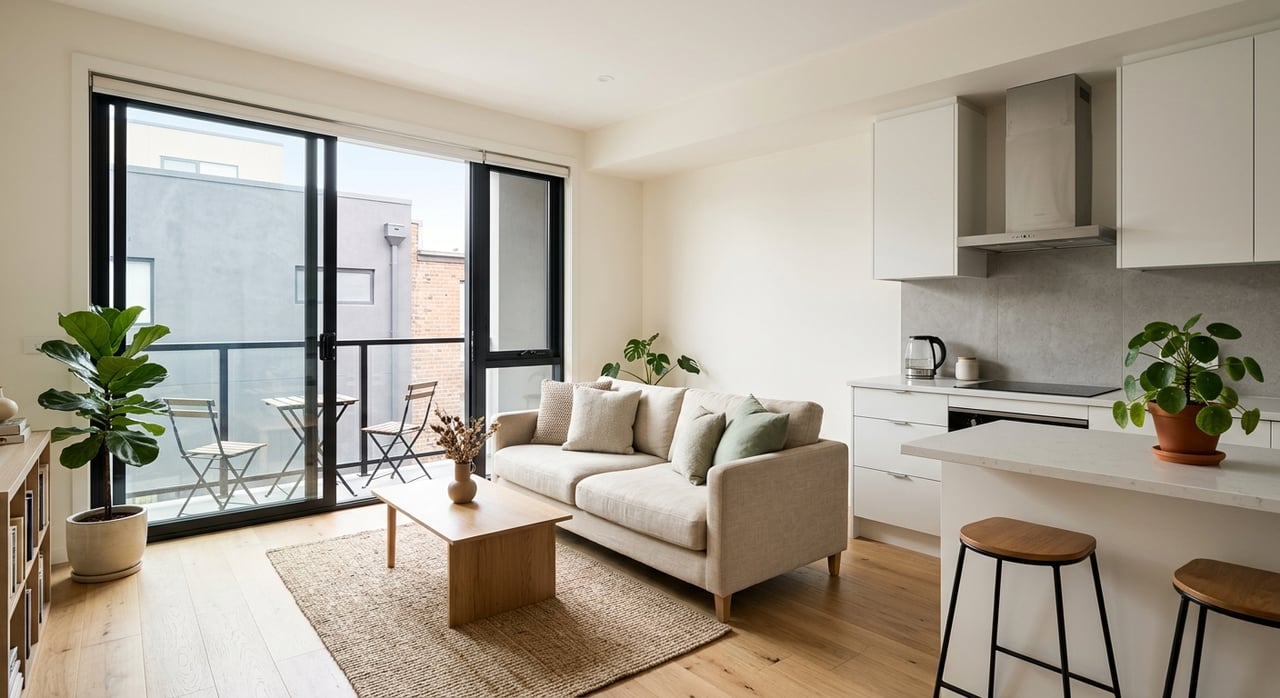
- More efficient use of space
- Urban access in a compact format
- A simpler lock-and-leave lifestyle
This can be especially helpful if you are relocating, balancing a busy schedule, or simply want East Nashville living without the upkeep that sometimes comes with an older home and yard.
New Builds and Infill Homes
Why newer homes are part of the mix
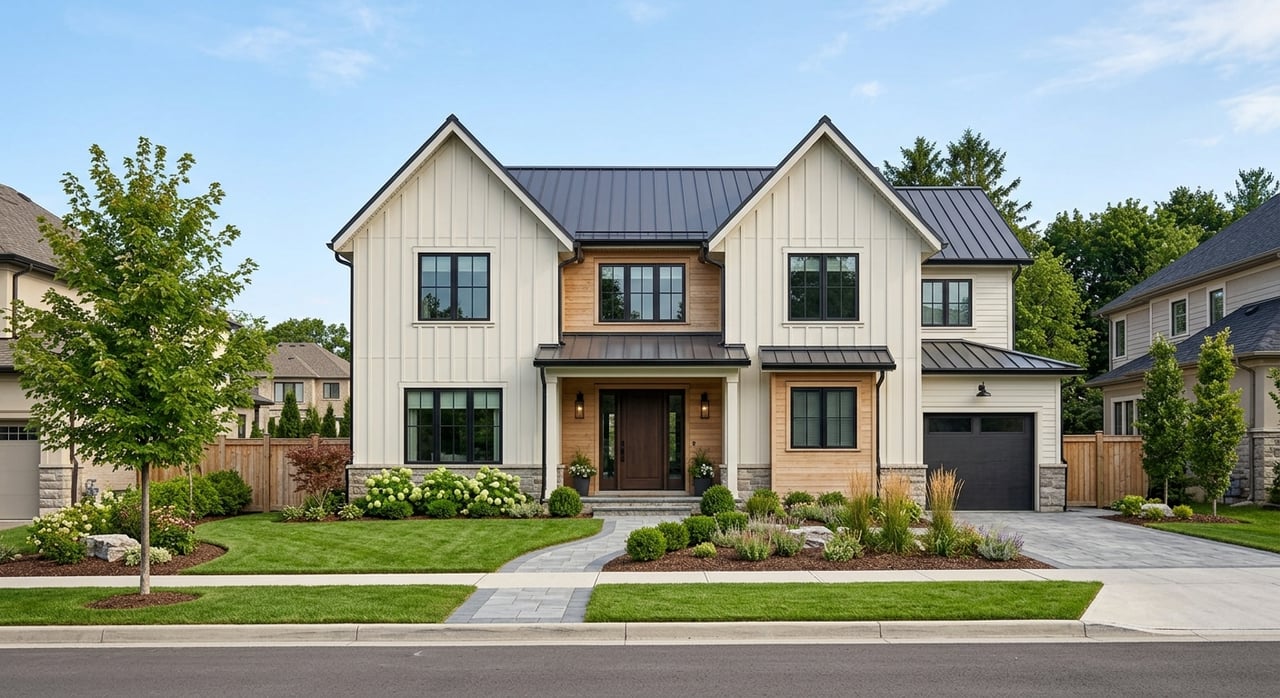
Newer infill and custom new builds are also part of East Nashville’s housing story. The East Nashville Community Plan treats infill and redevelopment as part of the area’s ongoing evolution, while NashvilleNext and the city’s Unified Housing Strategy point to continued housing pressure tied to population and job growth.
In practical terms, that means newer homes are not an exception here. They are one of the ways the neighborhood continues to add housing while staying connected to broader city planning goals around walkability and growth.
What buyers often like about new builds
Newer infill homes often appeal to buyers who want fewer unknowns. While every property is different, many buyers are drawn to:
- Turnkey systems
- Larger open-concept living spaces
- More contemporary layouts
- Less immediate renovation risk
If you are deciding between a historic bungalow and a newer infill home, the real question is often less about age and more about priorities. Do you want original character and a smaller footprint, or a more modern layout with newer systems?
Where Styles Tend to Cluster
East Nashville is useful because the style differences are often visible block by block. City documents show that Lockeland Springs-East End is especially known for bungalows and cottages, while also including Victorian-era forms, American Foursquares, Spanish Eclectic, Tudor Revival, and Minimal Traditional homes.
Edgefield’s current guidelines identify styles such as Queen Anne Cottage, Craftsman, and Italianate. The city also notes that the 1916 East Nashville fire destroyed or damaged hundreds of buildings, and rebuilding afterward brought more modern bungalow-style houses into the area.
Greenwood developed largely as a streetcar suburb from the early 20th century to the 1940s, with a mix that includes Queen Anne, Folk Victorian, Craftsman bungalow, vernacular bungalow, American Foursquare, and Tudor Revival. Inglewood adds more mid-century Minimal Traditional and Ranch homes, which gives buyers yet another style category to consider.
What Historic Overlays Mean for Buyers
Style is only part of the story
In East Nashville, home style and renovation flexibility are not always the same thing. Nashville states that historic zoning protects neighborhood character through a design review process and does not change how a property may be used.
That distinction matters. If a home is in a historic overlay, exterior work may be reviewed by the Metropolitan Historic Zoning Commission. So even if two houses look similar from the street, their approval path for exterior changes may be very different depending on parcel rules.
Other zoning tools can matter too
Nashville also uses other zoning tools, including the Urban Zoning Overlay, to shape setbacks, height, access, and parking in parts of the urban core developed before the 1950s. The city says these tools are intended to support walkable neighborhood form while protecting established development patterns.
For you, the takeaway is straightforward: before planning a renovation, addition, or major exterior change, it is smart to understand the property’s overlay and review requirements. That step can save time, money, and frustration later.
How to Choose the Right Style
The best East Nashville home style for you depends on how you want to live. A bungalow or cottage may suit you if you love older-house charm, a prominent front porch, and a more established streetscape.
A newer infill home may make more sense if you want a modern floor plan, newer systems, and fewer surprise projects in the first few years. A townhome may be the right middle ground if you want urban convenience and a more manageable maintenance load.
Here are a few smart questions to ask yourself as you compare homes:
- Do you want character or turnkey condition?
- How much exterior maintenance feels realistic for your schedule?
- Are you comfortable with renovation work, or do you want move-in-ready space?
- Would a smaller historic layout work for you, or do you need a more open plan?
- Are you considering exterior updates that could be affected by historic or zoning rules?
When you answer those questions honestly, your search usually gets much clearer.
Why Local Guidance Helps in East Nashville
Because East Nashville has such a layered housing mix, buying here is not only about finding a home you like online. It is also about understanding what you are really comparing from one street to the next.
That is where local guidance can make a big difference. When you have a clear read on style, condition, neighborhood context, and possible renovation considerations, you can move with more confidence and avoid surprises after you go under contract.
If you are trying to sort through East Nashville bungalows, cottages, townhomes, or newer infill, Christian Carroll-Moag can help you compare your options with a practical, neighborhood-specific approach.
FAQs
What are the most common home styles in East Nashville?
- East Nashville includes bungalows, cottages, townhomes, stacked flats, newer infill homes, and a range of historic styles such as Queen Anne, Folk Victorian, American Foursquare, Tudor Revival, and Minimal Traditional.
What makes East Nashville bungalows different from cottages?
- In general, East Nashville bungalows are known for larger front porches and Craftsman influence, while cottages tend to have a smaller footprint, simple massing, and more modest detailing.
What should buyers know about historic overlays in East Nashville?
- Nashville says historic overlays protect neighborhood character through design review for exterior work, but they do not change how a property may be used.
Are new builds common in East Nashville?
- Yes. The East Nashville Community Plan treats infill and redevelopment as part of the area’s evolution, so newer homes are an established part of the local housing mix.
Where can you find different home styles in East Nashville?
- City documents show that Lockeland Springs-East End is especially known for bungalows and cottages, Edgefield includes styles like Queen Anne Cottage and Craftsman, Greenwood has a broad early 20th-century mix, and Inglewood adds more mid-century Minimal Traditional and Ranch homes.