Selling in 12South is not the same as selling just anywhere in Nashville. Buyers in this corridor tend to notice presentation, layout, and finish quality quickly, especially in a market where pricing is premium and inventory gives buyers more room to compare options. If you want to sell with confidence, the good news is that the right prep can help your home stand out without turning the process into a full renovation project. Let’s dive in.
Why prep matters in 12South
12South is known as a walkable, mixed-use Nashville corridor with a strong neighborhood identity. That means buyers are often looking at more than square footage alone. They are also paying attention to how your home fits the lifestyle of the area, from curb appeal to outdoor space to how easy the home feels to live in day to day.
The market data also points to the need for thoughtful preparation. In May 2026, Redfin reported a median sale price of about $1.6 million in 12South, while Realtor.com reported a median listing price around $1.395 million, about 41 active listings, and a 96% sale-to-list ratio. Realtor.com also described 12South as a buyer’s market, which makes pricing discipline and polished presentation especially important.
If you own a condo or attached home, your strategy may need to shift. Redfin’s 12South condo data showed a median listing price of $692,000 and a typical market time of 59 days. In other words, detached homes, townhomes, and condos may attract different buyer expectations, so your prep plan should match your property type.
Focus on visible improvements first
In a design-aware market like 12South, high-impact prep is usually about making the home feel cared for, current, and easy to picture living in. That often means cosmetic improvements and maintenance instead of expensive major remodels. Buyers tend to respond fastest to homes that feel move-in ready and visually clean.
A strong starting point includes:
- Deep cleaning every room
- Decluttering surfaces, closets, and storage areas
- Touching up paint in a neutral tone
- Replacing dated light fixtures where needed
- Swapping worn or mismatched hardware
- Refreshing landscaping and entry areas
- Fixing small defects that signal deferred maintenance
These updates matter because they improve both in-person showings and listing photos. According to the National Association of REALTORS® 2025 staging survey, 83% of buyers’ agents said staging made it easier for buyers to visualize a property as their future home. The most commonly staged rooms were the living room, primary bedroom, and dining room, which gives you a practical place to start.
Prioritize the rooms buyers notice most
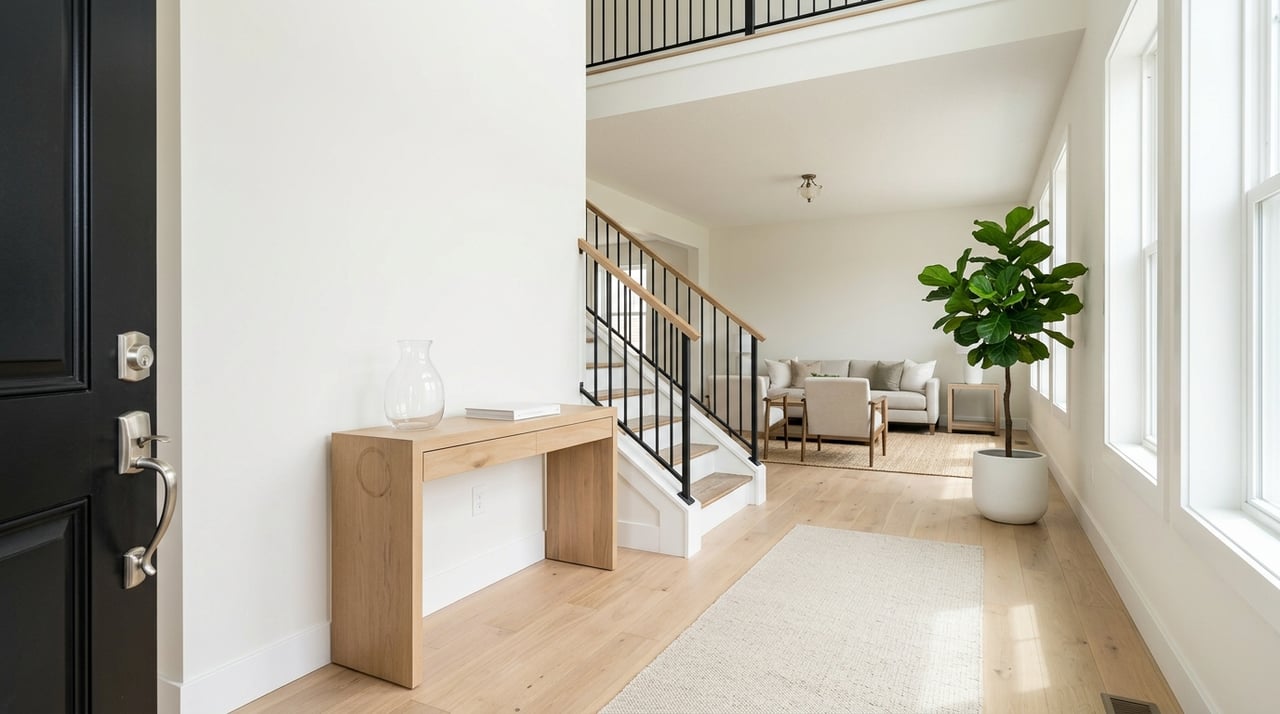
You do not need to make every room feel magazine-ready. You do need the main spaces to feel bright, open, and easy to understand. Buyers often form their strongest first impressions from the front exterior, main living area, kitchen, primary bedroom, and any usable outdoor living space.
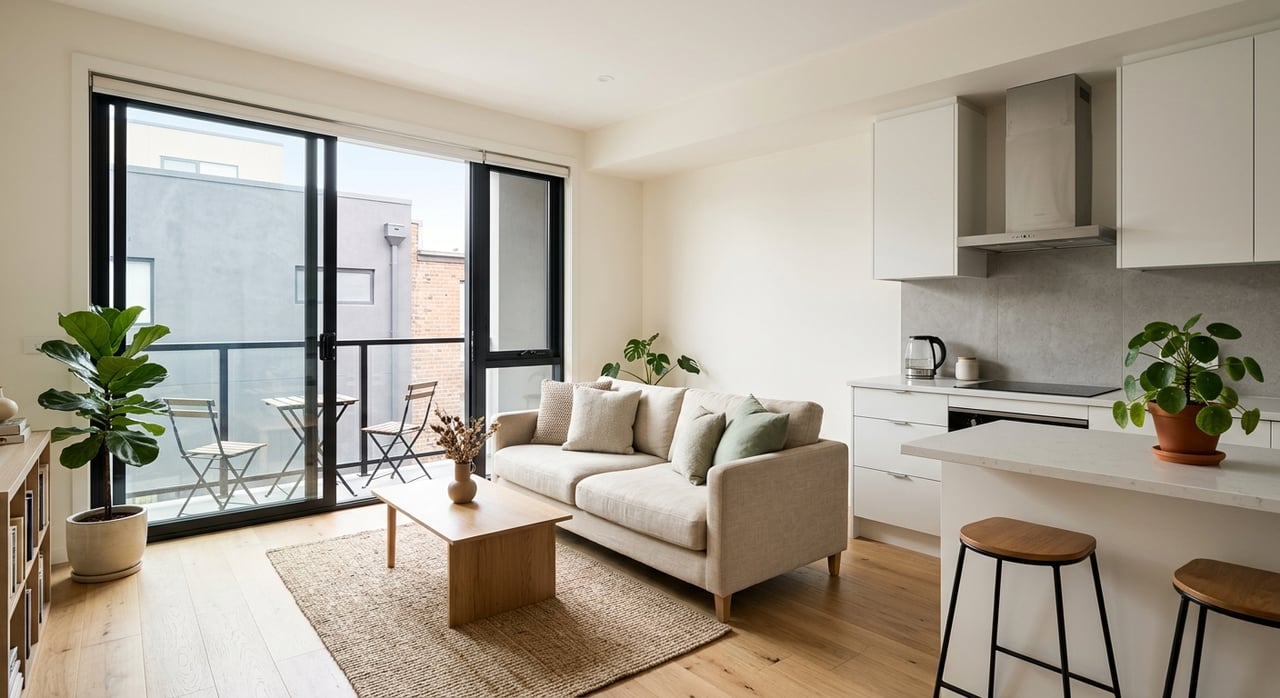
Start with the living room by simplifying décor, removing extra furniture, and opening up sightlines. If the room feels crowded, it will usually photograph smaller than it is. A cleaner layout helps buyers focus on the space itself instead of your belongings.
In the kitchen, clear counters, reduce visual clutter, and make sure lighting works well. You want the room to feel functional and bright, not busy. Small updates like cabinet hardware or a fresh coat of paint may do more for perception than a large remodeling project.
The primary bedroom should feel calm and spacious. Neutral bedding, less furniture, and tidy surfaces can go a long way. If there is a dining area, keep it simple and intentional so buyers can immediately understand how it is meant to be used.
Use staging principles that support photos
Strong listing photos matter in every market, but they matter even more in a neighborhood where buyers often expect design, polish, and lifestyle appeal. The goal is not to make your home look generic. The goal is to make it look bright, clean, and easy to imagine living in.
NAR’s staging guidance recommends maximizing daylight, using neutral paint, keeping rooms open, simplifying décor, replacing worn carpet or flooring, and adding storage or shelving where helpful. Those ideas fit 12South especially well because buyers here often compare homes quickly and visually.
Before photos, make sure curtains and blinds let in natural light, remove personal items that distract from the room, and create clear pathways through each space. If your home has a porch, patio, or fenced outdoor area, treat that area like a true living space. In a walkable neighborhood, outdoor usability can add meaningful appeal.
Curb appeal counts more here
Because 12South is highly walkable and street-facing, buyers often begin forming opinions before they even step inside. Metro Nashville and NDOT materials describe 12th Avenue South as a corridor shaped by walkability, bike access, transit improvements, and parking attention. That makes your home’s exterior presentation more than a finishing touch.
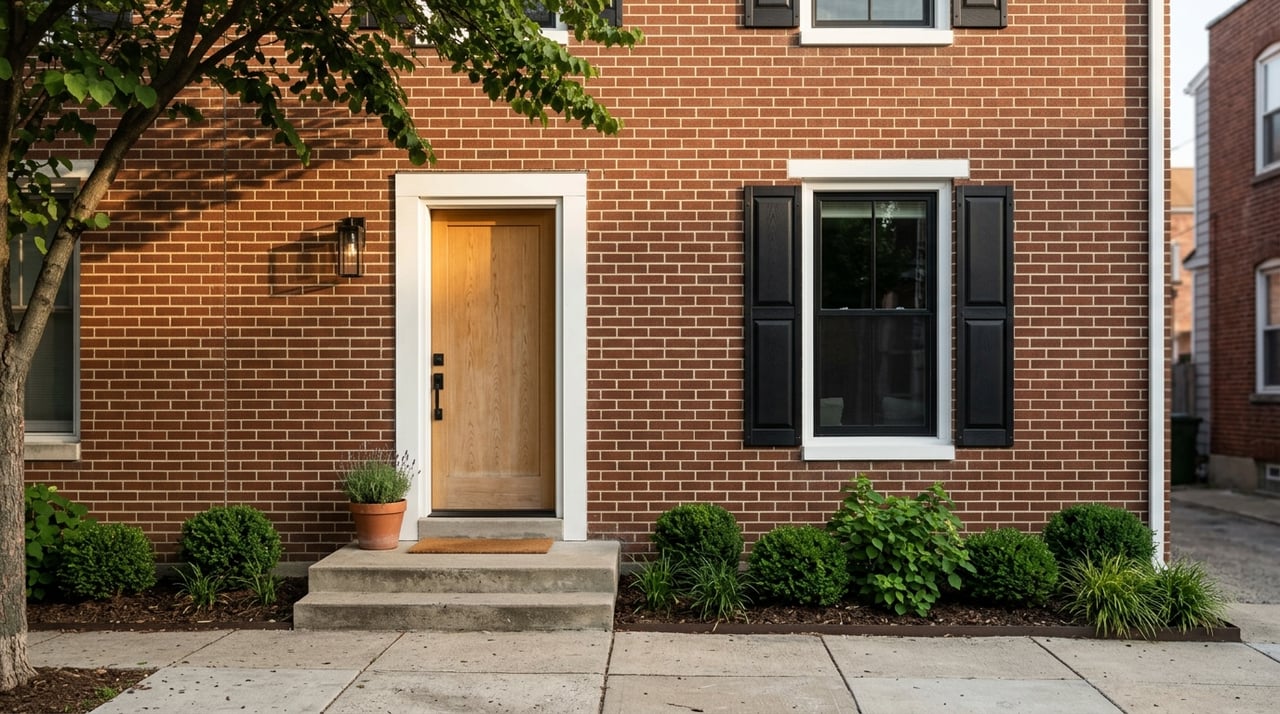
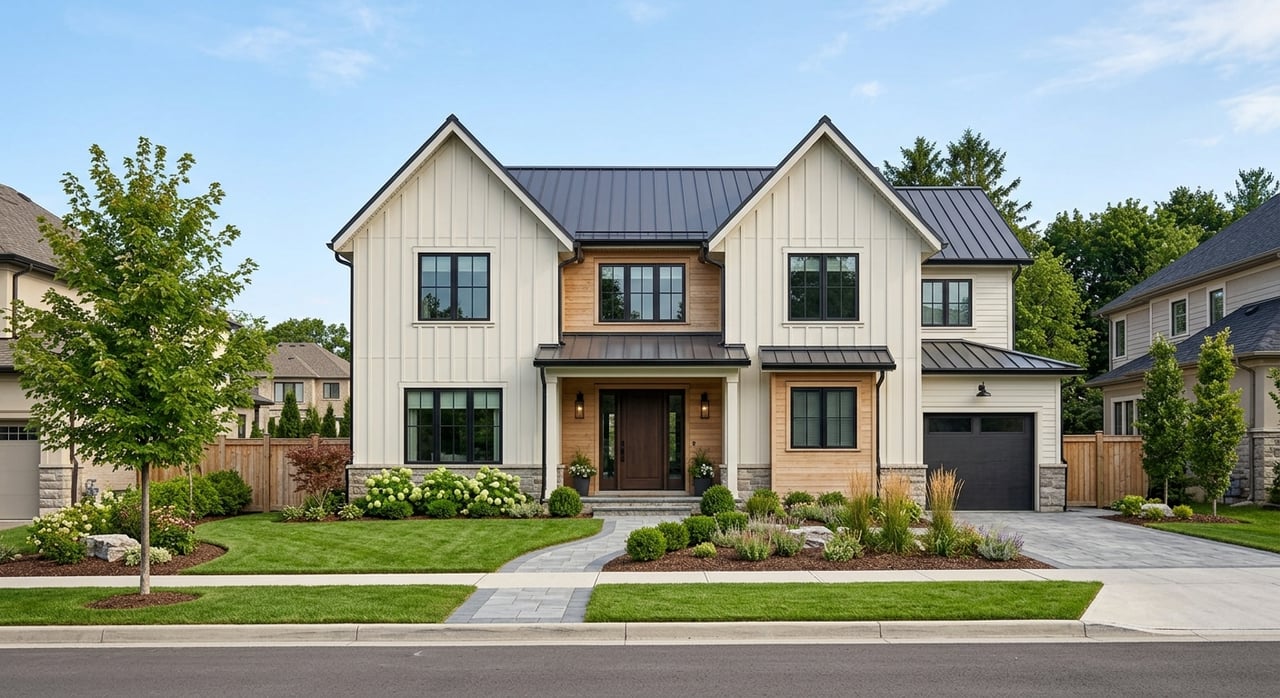
Tidy entries, clean sidewalks, trimmed landscaping, and a strong front door can all improve first impressions. If your mailbox, house numbers, porch lights, or railings look worn, those are smart places to spend attention. The exterior should feel intentional and easy to approach.
Practical arrival details also matter. If street parking is common on your block, think through how buyers will access the home for showings. A smooth arrival experience helps the home feel easier and more welcoming from the start.
Consider a pre-list walk-through or inspection
A pre-list inspection is often worth discussing before your home hits the market. In Tennessee, the Residential Property Disclosure Act requires most sellers to provide either a disclosure statement or a disclaimer. The disclosure form asks about known issues involving the roof, plumbing, electrical, foundation, flooding or drainage, permit-related changes, HOA authority, easements, and environmental hazards.
That does not mean you are required to independently inspect the home just to complete the disclosure. It does mean that if you learn about a problem before listing, it may become part of the disclosure and negotiation conversation. For many sellers, that makes a pre-list inspection or at least a careful seller-side walk-through a useful strategy.
Metro Nashville’s Property Standards checklist also offers a practical lens for visible concerns. Items like roofs, gutters, siding, windows, foundation walls, decks, stair railings, electric service, vents, drains, water heaters, and signs of drainage or infestation can all affect buyer perception. Addressing obvious issues before photos and showings can help reduce surprises later.
Check approval rules before exterior work
In parts of the 12South corridor, exterior projects may involve additional review. Metro planning materials note that much of the 12th Avenue South study area is covered by a Neighborhood Conservation Overlay District, with some properties also identified as historically significant or worthy of conservation. In those areas, plan review may be required before demolition, new construction, additions, or relocations.
If you are considering visible exterior changes like window replacement, additions, or other exterior-facing repairs, verify whether approvals are needed before work begins. This step can help you avoid delays, unnecessary costs, or issues that surface during the sale process. It is a small check that can protect your timeline.
Skip the full remodel mindset
One of the most common seller questions is whether a major renovation is necessary before listing. In many 12South sales, the better answer is selective updates rather than wholesale remodeling. Buyers often respond well to homes that feel fresh, maintained, and thoughtfully presented, even if every finish is not brand new.
That means your money is often better spent on repairs, paint, lighting, flooring touch-ups, cleaning, and landscape refreshes than on tearing out functional spaces. The goal is to remove objections, not over-improve beyond what the market is likely to reward. A focused prep plan usually creates a better return and less stress.
Match your marketing to the property
Marketing in 12South should do more than list features. It should help buyers understand how the home lives within the neighborhood. For detached homes, that may mean highlighting layout flow, outdoor space, and curb appeal. For townhomes and condos, parking, storage, efficiency, and exterior access may carry more weight.
This is where a tailored strategy matters. A one-size-fits-all plan can miss what buyers in this area actually notice first. Clear positioning, strong visuals, and realistic pricing work together, especially in a premium micro-market where buyers have options.
Selling with confidence starts with preparation, but it also depends on having a local strategy that fits your home, your timeline, and your goals. If you are thinking about listing in 12South, Christian Carroll-Moag can help you build a smart prep plan and next-step strategy tailored to your property.
FAQs
What should sellers in 12South fix before listing a home?
- Sellers in 12South should usually start with deep cleaning, decluttering, paint touch-ups, lighting updates, hardware swaps, landscape refreshes, and repairs to visible maintenance issues.
Does a 12South home need professional staging before sale?
- A 12South home does not always need full professional staging, but key rooms like the living room, primary bedroom, and dining area should feel open, bright, and easy for buyers to picture using.
Should a Tennessee seller get a pre-list inspection before listing?
- A Tennessee seller should strongly consider a pre-list inspection or at least a detailed walk-through because known issues can shape disclosures and later negotiations.
Do 12South exterior updates need Metro approval?
- Some 12South properties may be affected by Neighborhood Conservation Overlay rules or other review requirements, so sellers should verify approval needs before starting visible exterior work.
How is preparing a 12South condo different from preparing a detached home?
- Preparing a 12South condo may require more focus on layout efficiency, storage, parking, and exterior access, while detached homes often need heavier attention on curb appeal and outdoor presentation.