If your Downtown Nashville condo would have sparked a bidding war a few years ago, today’s market may feel very different. Buyers still want downtown living, but they are taking more time, comparing fees and amenities closely, and pushing back on overpricing. The good news is that a clear plan can help you stand out, protect your timeline, and move forward with confidence. Let’s dive in.
Know the Downtown Nashville condo market
Selling starts with understanding the pace of the market you are in, not the one you remember. Greater Nashville REALTORS® says the 2026 market is moving into a more balanced and predictable phase, and it notes that 6 months of inventory is a key benchmark for a balanced market.
That matters because condos are not moving as quickly as they did during the rapid-growth years. Greater Nashville REALTORS® reported a regional condominium median price of $345,000 in April 2026 and said condo sales and prices were down year over year.
In Downtown Nashville, the condo market also looks more selective. As of July 6, 2026, Redfin showed 218 condos for sale, a median listing price of $715,000, about 125 days on market, and 1 offer on average. On its broader Downtown Nashville neighborhood page, Redfin reported a May 2026 median sale price of $631,787, 71 days on market, a 95% sale-to-list ratio, and 27.3% of homes with price drops.
The takeaway is simple: buyers are watching value closely. If you want a strong result, you need accurate pricing, thoughtful prep, and a smooth document process.
Step 1: Price from condo comps
One of the biggest mistakes sellers make is treating a downtown condo like a detached home. Condo buyers usually compare your unit to others in the same building, the same stack or line, and similar units nearby with matching features.
That means your price should reflect details such as floor level, view, balcony, parking, storage, layout, and monthly HOA dues. Building reputation and amenity package also matter because buyers often see the building and the unit as one combined value.
This is especially important in a slower market. Greater Nashville REALTORS® warns that overpricing can lead to longer market times, and Downtown Nashville data shows price drops and below-list closings are common.
What buyers compare closely
- Building and unit line
- Square footage and layout
- Floor and view corridor
- Balcony or outdoor space
- Number and type of parking spaces
- Storage availability
- HOA dues and what they cover
- Amenities such as concierge, pool, or secured entry
Step 2: Order HOA documents early
For a condo sale in Tennessee, the association document package is not something to leave for later. Under Tennessee condominium law, the association must provide the required information after a request within 10 business days, and it may charge a reasonable fee.
That packet can include the declaration, bylaws, rules, most recent budget and reserve information, assessment details, transfer fees, extra amenity fees, insurance coverage, meeting minutes, pending suits, and delinquent assessment totals. If any information is unavailable, it must be delivered at least 10 business days before closing.
In practical terms, ordering these documents before your condo goes live can save time and reduce stress later. It also helps you answer buyer and lender questions before they become delays.
Why early HOA prep matters
- You can explain monthly dues clearly
- You can flag any special assessments early
- You can prepare for lender questions
- You can reduce last-minute surprises before closing
- You can build buyer trust through transparency
Step 3: Prep the unit like a product
In a market where buyers have options, presentation matters. Your condo should feel clean, well-maintained, and easy to understand the moment a buyer sees the photos.
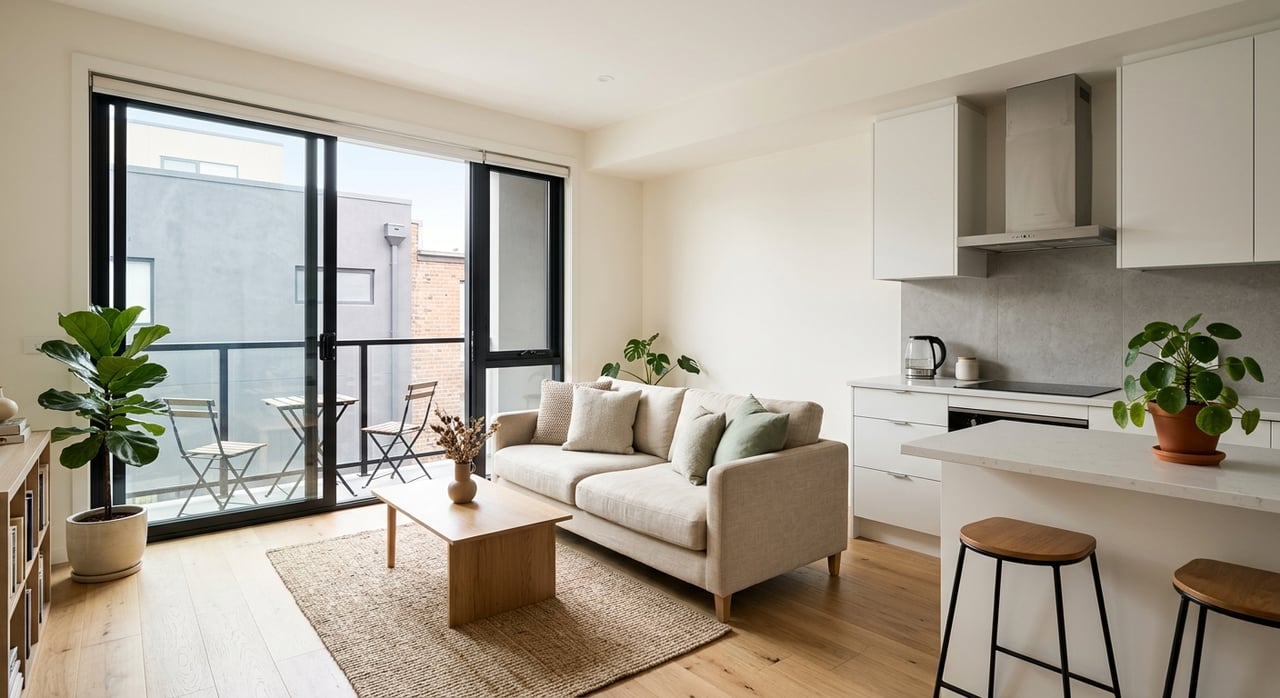
Start with the basics: declutter, deep clean, touch up paint where needed, and make sure lighting works well. Then focus on the features downtown buyers often care about most, such as natural light, views, layout flow, storage, updated finishes, and parking.
Current Downtown Nashville listings commonly highlight garage parking, community pools, concierge service, and skyline views. Redfin examples also show HOA dues often in the mid-$500s to $800s, which means buyers are likely to ask what those dues include and whether the lifestyle feels worth the cost.
Prep priorities before listing
- Clear countertops and open shelves
- Minimize bulky furniture that shrinks the space
- Clean windows to maximize light and views
- Highlight closets and storage areas
- Confirm parking details and guest access
- Make balconies or terraces look usable and inviting
Step 4: Market the downtown lifestyle
A Downtown Nashville condo is more than square footage. It is also about how you live there day to day.
Nashville.gov describes downtown as the seat of state and local government, an economic center, and a hub for cultural, sporting, and entertainment activity. Redfin also rates Downtown Nashville 83 out of 100 for walkability, 66 for transit, and 67 for bikeability.
That gives you a strong framework for marketing. Your listing should show not only the interior, but also how the condo connects to daily convenience, nearby venues, riverfront access, and a more walkable lifestyle.
Features worth emphasizing
- Balcony space and skyline or city views
- Open-concept living and dining areas
- In-unit laundry
- Guest-friendly layout
- Secured building entry
- Garage or gated parking
- Proximity to restaurants, events, offices, and entertainment venues
Step 5: Complete disclosures carefully
Tennessee’s residential property disclosure form is important, but it is not a warranty. State law says the seller provides information about the property’s condition to the best of their knowledge, or the buyer may waive disclosure and receive a disclaimer stating the property is being sold as-is.
The form can also be superseded by the purchase agreement when it comes to repair obligations and as-is terms. That is why accuracy matters. If you are estimating something, it should be labeled as an estimate.
For condo sellers, buyers may also request condominium administration information from the association under Tennessee law. That means your unit condition and the building’s broader document package often work together in the buyer’s review.
Condo topics buyers often review
- Shared walls and common areas
- HOA authority and rules
- Special assessments
- Insurance information
- Lawsuits or proposed lawsuits
- Prior repairs involving shared systems or common elements
Step 6: Manage offers with the condo packet in hand
When offers come in, price is only one part of the picture. A strong condo sale also depends on how smoothly you can answer questions about the association, the building, and the monthly cost of ownership.
If a buyer asks about reserves, insurance, pending litigation, transfer fees, or a special assessment, you want clear answers ready. That kind of preparation can help keep negotiations focused and reduce the odds of a contract falling apart during due diligence.
In a balanced market, this matters even more. Buyers have room to ask questions, compare options, and walk away if information feels incomplete or delayed.
Common mistakes to avoid
A few missteps can cost you time and leverage, even if your condo shows well. The goal is to remove friction before buyers find it.
Watch out for these issues
- Pricing from detached home sales instead of condo-specific comps
- Waiting too long to order the HOA packet
- Being vague about dues, amenities, or transfer costs
- Treating the disclosure form like a guarantee instead of a disclosure tool
- Forgetting to disclose known issues involving the unit, shared systems, or common elements
- Assuming buyers will overlook special assessments or building questions
Your Downtown Nashville seller game plan
If you want to sell a Downtown Nashville condo well in today’s market, the formula is straightforward. Price from true condo comps, order your HOA documents early, prepare the unit carefully, market the downtown lifestyle, and stay clear and organized during disclosures and negotiations.
That approach fits what the local data is showing right now. Buyers are still interested in downtown living, but they want pricing discipline, clear numbers, and confidence in both the unit and the building.
If you want expert guidance on timing, pricing, and preparing your condo for market, Christian Carroll-Moag can help you build a smart, client-first plan tailored to your goals.
FAQs
What is the Downtown Nashville condo market like for sellers in 2026?
- Downtown Nashville condo sellers are in a more balanced, price-sensitive market with longer selling times, more selective buyers, and common price reductions.
Why should Downtown Nashville condo sellers use building-specific comps?
- Condo value is often shaped by the exact building, floor, view, parking, HOA dues, and amenities, so building-specific comps usually give a more accurate pricing strategy than house comps.
What HOA documents do Downtown Nashville condo sellers need?
- Sellers should request the condominium association packet early, which may include the declaration, bylaws, rules, budget, reserve information, assessments, fees, insurance details, meeting minutes, and information about pending suits.
What do buyers look for in a Downtown Nashville condo listing?
- Buyers often focus on light, views, layout, parking, storage, monthly HOA value, secured entry, and amenities such as concierge service or a pool.
What should Downtown Nashville condo sellers disclose in Tennessee?
- Sellers should complete the Tennessee disclosure form to the best of their knowledge and clearly address known issues, especially those involving shared systems, common areas, prior repairs, or HOA-related concerns.