Wondering whether downtown Nashville is the right fit, or if you would be happier in a nearby neighborhood? It is a common question, especially if you want a home that matches both your day-to-day routine and your long-term goals. The good news is that Nashville gives you several strong options, each with a different mix of housing, street life, and convenience. Let’s break down how to decide.
Start With Your Daily Routine
The easiest way to compare downtown living with neighborhood living is to think about how you want your average week to feel. Your best fit often comes down to what matters most when you leave your front door each morning and come home each night.
If you want to walk to restaurants, entertainment, work, or transit, downtown stands out. If you want more of a neighborhood rhythm with a strong local identity, areas like Germantown, East Nashville, and 12South may feel more natural.
What Downtown Nashville Offers
Downtown Nashville is the county’s most intense urban setting and serves as a center for government, culture, sports, and entertainment. The downtown partnership describes it as 11 neighborhoods packed into 2 square miles, which gives you a sense of how much is concentrated in a small area.
That concentration creates a lifestyle that is hard to match elsewhere in Nashville. You get walkable blocks, major destinations, and a close connection to dining, events, and civic spaces.
Housing in Downtown
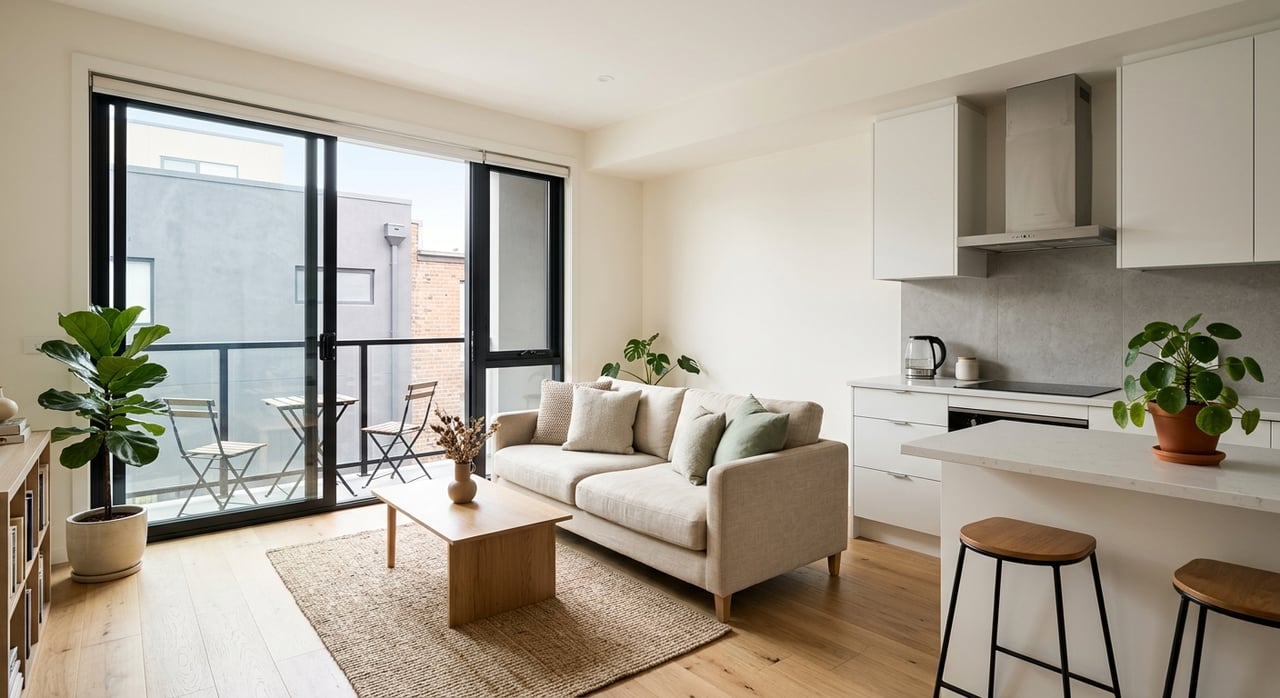
Downtown is strongest for condo, loft, and apartment living. In the Historic Core, loft-style residences are part of the mix, while Hope Gardens is considered downtown’s residential heart and is the only downtown area with single-family homes.
That means your housing choices downtown tend to lean toward lower-maintenance options. If you want a lock-and-leave setup or prefer not to manage a larger property, downtown may check that box more easily than many surrounding neighborhoods.
Mobility in Downtown
Downtown also offers the strongest transportation network in this comparison. It has 70 miles of sidewalks, WeGo Central, multiple bus lines, Route 18 service to BNA, BCycle, rideshare access, and e-scooters, though scooters are not allowed on sidewalks in the downtown core.
If your goal is a car-light routine, downtown gives you the best shot at it. You may be able to build more of your life around walking, transit, and short rides instead of driving for every errand or outing.
Downtown Tradeoffs
Downtown living is not just about convenience. It also comes with more activity, more visitors, and a faster pace than many residential areas.
Some parts of downtown can also feel more transitional, especially near the East Bank. Metro describes the East Bank as a 550-acre redevelopment area that is still largely made up of parking lots, industrial and commercial uses, and Nissan Stadium, with major future plans that include East Bank Boulevard as a new multimodal street.
If you like energy and change, that may feel exciting. If you prefer a more settled residential setting, it is worth paying attention to the exact block and nearby development activity.
What Neighborhood Living Offers
Neighborhood living near downtown is less about being removed from the city and more about choosing a different balance. In many cases, you can stay close to the urban core while getting a different housing mix, street pattern, and day-to-day feel.
Three of the strongest alternatives in this conversation are Germantown, East Nashville, and 12South. Each offers a distinct lifestyle while keeping you connected to central Nashville.
Germantown: Close to Downtown, More Residential
Germantown sits just a few blocks northwest of downtown and is known as a historic community listed on the National Register of Historic Places. It is walkable and known for its restaurants, the Farmers’ Market, museums, and baseball-adjacent activity.
Its built environment is also more varied than some buyers expect. City design guidelines describe an eclectic district with detached houses, plex houses, house courts, townhouses or row houses, and low- to mid-rise mixed-use buildings.
Who Germantown Fits Best
Germantown often works well if you want to stay very close to downtown without living in the middle of the most intense urban activity. You still get walkability and a strong dining scene, but the overall feel can read as more residential.
If historic character matters to you, Germantown deserves a close look. It can offer a nice middle ground between downtown convenience and neighborhood identity.
East Nashville: Variety and Creative Energy
East Nashville sits across the Cumberland River from downtown and is known for its eclectic feel, older homes, and strong food and nightlife scene. Many homes date back to the early 1900s, and Metro describes the area as a collection of compact, walkable urban neighborhoods with grid streets.
The housing mix is broad. You will find detached homes, accessory dwelling units, townhouses, and small stacked flats, along with some larger-lot suburban pockets in parts of the community.
Who East Nashville Fits Best
East Nashville can be a strong choice if you want more housing variety than downtown usually offers. It may also appeal to buyers who are drawn to older homes and a neighborhood pattern that blends walkability with distinct residential pockets.
The city’s bikeway planning also focuses on connections between residential areas, Five Points, Shelby Bottoms, and downtown crossings. For buyers who want neighborhood living with links back into the core, that can be a meaningful advantage.
12South: Walkable and Highly Defined
12South is built around a tight, highly walkable retail and dining corridor centered on 12th Avenue South, generally between Wedgewood Avenue and Gale Lane. It has a strong local identity and a compact layout that many buyers find appealing.
Metro planning points to a mix of housing types in the corridor, including townhomes and stacked flats. The area has also been the focus of protected bike lanes, bus-stop upgrades, safer crossings, and ongoing parking and mobility discussions.
Who 12South Fits Best
12South often fits buyers who want a stylish, walkable neighborhood with easy access to shopping and dining. It can feel more curated and tightly organized than larger, more spread-out areas.
That said, the same popularity that makes 12South appealing can also create parking and circulation tradeoffs. If you are considering it, think carefully about how much activity you want right outside your door.
How To Compare Your Options
If you are deciding between downtown and nearby neighborhoods, focus on four practical categories. This keeps the choice grounded in how you actually live.
1. Match the Housing Type
Ask yourself what kind of home you really want. If you are happiest in a condo, loft, or apartment with less maintenance, downtown may be the best fit.
If you want more variety, such as detached homes, townhouses, or different small-scale residential formats, Germantown, East Nashville, and 12South may give you more to work with.
2. Think About Street Life
Downtown offers the most concentrated urban energy in Nashville. You are choosing a place that is built around activity, movement, and major destinations.
Nearby neighborhoods offer activity too, but in different ways. Germantown leans historic and walkable, East Nashville offers a broad mix of homes and local destinations, and 12South centers around a compact, active corridor.
3. Consider Your Commute Habits
If you want to depend less on a car, downtown is the strongest option in this group. Its sidewalk network, transit hub, bus access, and other mobility choices make that lifestyle more realistic.
In neighborhood settings, you may still have walkable pockets and better biking connections in some areas, but your experience can vary more from block to block. That is why it helps to evaluate the exact location, not just the neighborhood name.
4. Check the Block, Not Just the Label
This matters a lot in Nashville. Metro notes that neighborhood boundaries are advisory rather than fixed, so two homes with the same neighborhood label may offer very different surroundings.
That is especially important when comparing downtown-adjacent areas or locations near major redevelopment zones. Always look at the specific block, nearby uses, and how the property connects to the places you visit most.
A Simple Way To Decide
If your priority is walkability, transit access, low-maintenance living, and staying close to work or nightlife, downtown is usually the clearest choice. It is the best option for buyers who want to be in the middle of Nashville’s most urban environment.
If you want historic character and a residential feel while staying close to the core, Germantown is a strong contender. If you want older homes, more housing variety, and a different neighborhood energy, East Nashville may stand out. If you want a compact, highly walkable area with a strong local identity, 12South is often worth exploring.
The best answer is rarely about picking the “best” neighborhood in general. It is about choosing the part of Nashville that best supports the way you want to live.
If you want help comparing specific blocks, property types, or commute patterns in Nashville, Christian Carroll-Moag can help you narrow your options with practical, neighborhood-level guidance.
FAQs
What is the main difference between downtown Nashville and nearby neighborhood living?
- Downtown offers the county’s most intense urban setting, with more condos, lofts, transit access, and major destinations nearby, while neighborhoods like Germantown, East Nashville, and 12South offer different mixes of housing, street life, and residential feel.
What housing types are most common in downtown Nashville?
- Downtown is strongest for condos, lofts, and apartments, while Hope Gardens is the only downtown area with single-family homes and also includes apartments and condos.
Which Nashville neighborhood is best if you want to stay close to downtown?
- Germantown is one of the closest alternatives, located just a few blocks northwest of downtown, with walkability, restaurants, and a more residential feel.
Is East Nashville a good option if you want more housing variety?
- Yes. Metro describes East Nashville as having detached homes, accessory dwelling units, townhouses, and small stacked flats, along with some larger-lot pockets in parts of the community.
What should you watch for when choosing a home in Nashville neighborhoods?
- Nashville neighborhood boundaries are advisory, so it is smart to evaluate the exact block, nearby uses, and development activity rather than relying only on the neighborhood name.