Thinking about West Nashville? You are not alone. This part of Nashville draws a lot of attention because it offers a mix that can be hard to find in one place: local restaurants, greenway access, older homes with character, newer townhomes and condos, and an easy west-of-downtown location. If you are trying to figure out whether West Nashville fits your lifestyle, this guide will help you understand the area’s vibe, housing options, day-to-day convenience, and what buyers should know before making a move. Let’s dive in.
West Nashville feels like several neighborhoods
One of the most important things to know is that West Nashville is not just one uniform neighborhood. According to the West Nashville community planning materials, the area includes a range of neighborhoods and residential pockets, including Sylvan Park, The Nations, Charlotte Park, Hillwood, and West Meade.
That matters because your experience can vary a lot depending on where you land. Some parts feel close-in, casual, and highly connected to coffee shops and restaurants. Other pockets feel quieter, more residential, and a bit more spread out. In general, West Nashville blends historic charm, natural beauty, and modern convenience.
Sylvan Park and The Nations shape the vibe
If you are picturing the most talked-about West Nashville lifestyle, you are probably thinking of Sylvan Park and The Nations. These two micro-areas often define how people talk about living in West Nashville because they offer a strong neighborhood feel with plenty to do nearby.
Visit Music City describes Sylvan Park as a largely residential neighborhood southwest of downtown, flanked by The Nations and West End. The same source describes The Nations as a former industrial area off 51st Avenue where warehouses and mills now support breweries, bars, eateries, chef-driven restaurants, and galleries.
A simple way to think about it is this: Sylvan Park often feels older and porch-forward, while The Nations feels newer and more mixed-use. The broader West Nashville area stretches beyond both, with streetscapes that range from classic neighborhood blocks to more estate-like pockets farther west.
Daily life is easy and local
For many buyers, the biggest draw of West Nashville is how livable it feels. You can build a routine around neighborhood coffee, casual meals, outdoor time, and quick trips to nearby parts of the city.
In Sylvan Park, the food and coffee mix helps set the tone. Spots highlighted in official neighborhood coverage include 8th & Roast, M.L.Rose, Streetcar Taps and Garden, Miel, Tantísimo, and SuperNormal. That lineup gives the area a local, everyday feel with enough variety for a coffee stop, weeknight dinner, or nicer meal out.
The Nations has a similar neighborhood-based dining scene with a slightly more industrial-modern energy. Current examples include Frothy Monkey in The Nations, Stay Golden, 51 North Taproom, and Nicky’s Coal Fired. The area is also framed as a favorite for craft breweries, fun bars, fast-casual spots, and chef-driven restaurants.
Outdoor access is a real advantage
If being outside is part of your weekly routine, West Nashville has a lot going for it. This is one of the clearest lifestyle advantages in the area.
The McCabe Park Community Center offers access to greenway trails in the heart of West Nashville and Sylvan Park. McCabe Golf Course is also nearby, and Metro Parks notes that Nashville’s larger system includes more than 99 miles of paved off-street greenways, plus over 300 miles of trails county-wide when state-maintained trails are included.
Metro defines greenways as linear parks and trails that connect neighborhoods to parks, transportation, shopping, and work. In practical terms, that means outdoor access here is not just scenic. It can also support your day-to-day routine, whether you want a morning walk, a bike ride, or a place to unwind after work.
Walkability and biking depend on the pocket
West Nashville is best described as car-first, but not car-only. That is an important distinction if you are relocating from a denser city or trying to reduce how often you drive.
Closer-in pockets like Sylvan Park and The Nations often feel more walkable and bikeable than many other parts of west Nashville. In The Nations, the Nations Neighborways project adds traffic-calmed bikeways along Georgia, Indiana, and Kentucky avenues, tied into the 51st Avenue cycletrack.
That growing bike infrastructure helps explain why some residents experience this part of West Nashville as easier to navigate without a car for short trips. Still, many errands and commutes will likely involve driving, especially if you live farther west or need to move across multiple parts of the city.
Transit is available in select corridors
If public transit matters to you, your experience will depend a lot on proximity to key routes. Transit service is more concentrated along Charlotte Pike and nearby pickup points.
WeGo Transit’s route list includes Route 50 Charlotte Pike, and service changes effective July 6, 2025 increased that route to 15-minute weekend daytime service. WeGo Link also lists pickup points in and around Sylvan Park, including Charlotte Pike & Morrow Road, Charlotte Pike & 28th Avenue North, and West End at Elmington Park.
For many people, that means West Nashville offers useful transit options in certain areas without functioning like a transit-first neighborhood. It is more flexible than fully suburban areas, but less all-in on transit than some denser urban neighborhoods.
Housing styles vary a lot by micro-area
West Nashville appeals to buyers because the housing stock is not one-note. You will find everything from early-20th-century homes to newer attached housing.
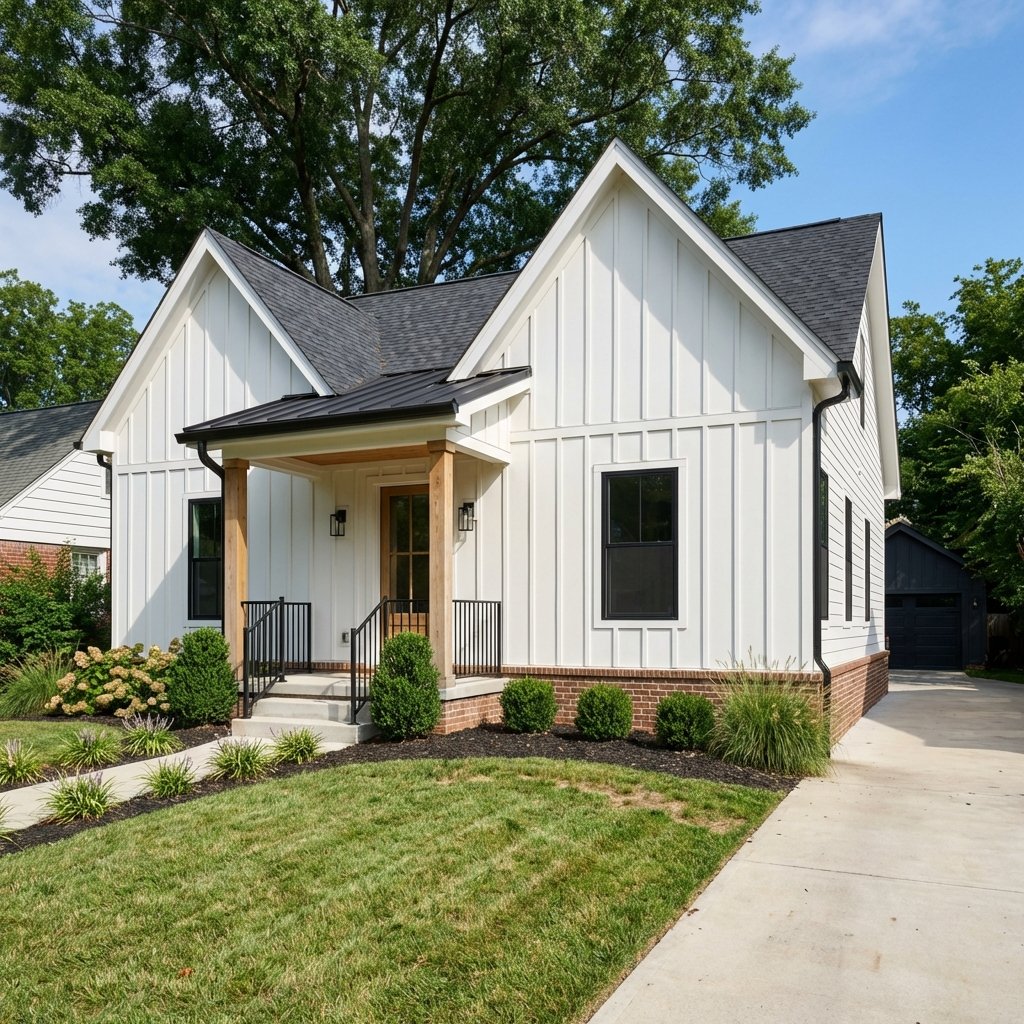
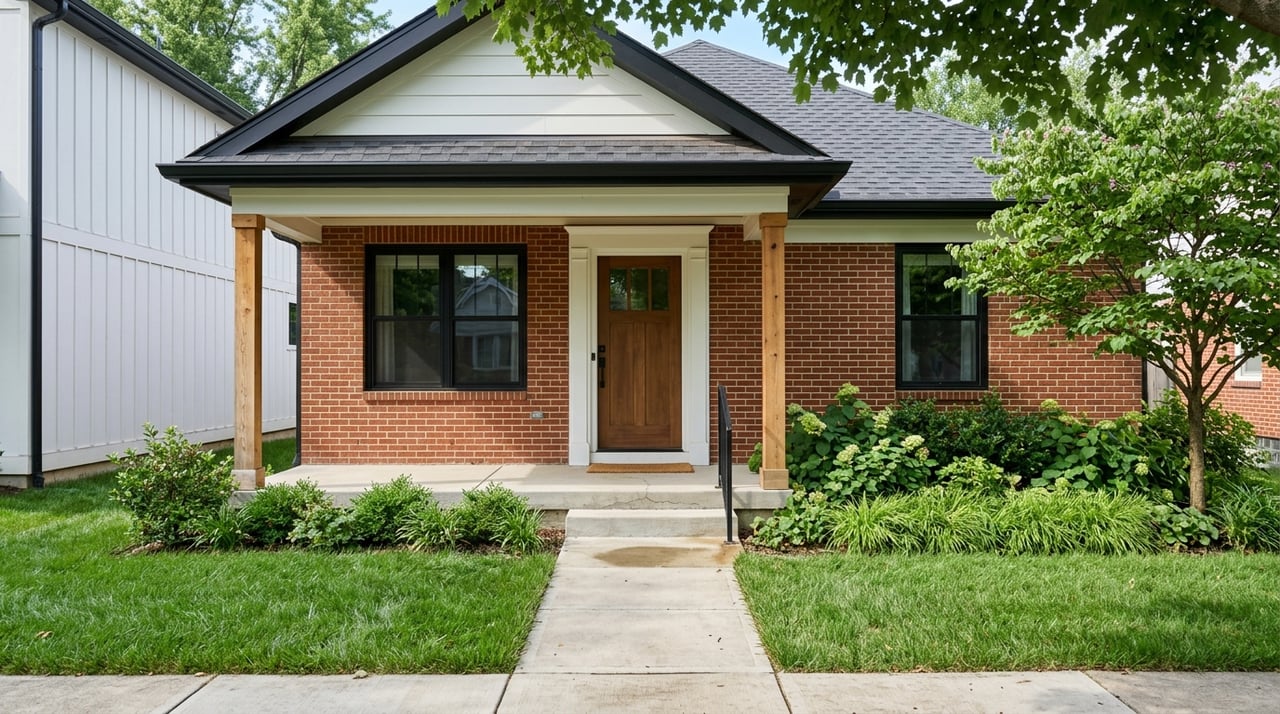
In Sylvan Park, the housing story is closely tied to its history. Metro historic zoning documents describe residential buildings from about 1900 to 1950, including simple cottages and bungalows, and connect the neighborhood’s development to the old streetcar line. That older housing stock helps explain the area’s classic, established feel.
The Nations tends to skew newer and includes more attached homes. Current product examples in the area include new-construction condos and townhome-style options, which can create a different entry point for buyers who want more modern finishes or a lower-maintenance setup.
Home prices depend on where you look
Price is one of the biggest reasons it helps to think in micro-areas instead of one broad West Nashville label. The numbers can shift quite a bit from one pocket to another.
A recent market snapshot from Realtor.com’s West Nashville overview reported a December 2025 median home price of $739,000. Another snapshot cited in the research, from Redfin, reported a February 2026 median sale price of $695,000. The broader takeaway is not the exact difference between sources, but that West Nashville generally sits in the upper-$600,000s to low-$700,000s overall.
Within that, there is sharp variation. Realtor.com’s December 2025 data placed Sylvan Park at $999,000 and Urbandale Nations at $577,450. For newer attached housing, examples include The Nations Lofts with new-construction condos from $489,000, while other newer attached options in the neighborhood begin higher.
The market is active, but not frantic
From a buyer’s perspective, West Nashville is active without feeling impossible in every case. That can be helpful if you want options and room to make a thoughtful decision.
Realtor.com described West Nashville as a seller’s market in December 2025, while Redfin called it somewhat competitive and reported an average time on market of about 97.5 days. In plain terms, well-positioned homes can still move quickly, but the area does not read as uniformly overheated across every price point and property type.
This is another reason local guidance matters. A bungalow in Sylvan Park, a newer townhome in The Nations, and a larger property in a farther-west pocket may all behave differently even though they sit under the same broad West Nashville umbrella.
What commuting looks like
For many people, one of West Nashville’s strongest advantages is location. You are west of downtown, with practical access to central Nashville and multiple daily-use corridors.
As a broader benchmark, the U.S. Census Bureau QuickFacts for Davidson County reports a mean travel time to work of 24.8 minutes for 2020 to 2024. Your actual commute will depend on where you live and where you work, but West Nashville’s position often appeals to people who want a neighborhood feel without giving up access to the urban core.
If your priority is quick access to restaurants, downtown-adjacent work areas, and outdoor spaces, the closer-in parts of West Nashville tend to stand out. If you want a bit more space and a more residential setting, the farther-west pockets may feel more comfortable.
Who West Nashville fits best
West Nashville can work for several types of buyers and movers, especially if you want a lifestyle that mixes neighborhood character with everyday convenience.
You may feel especially drawn to West Nashville if you want:
- A local coffee-and-restaurant scene
- Access to parks, greenways, and golf
- A choice between older homes and newer construction
- A location west of downtown with practical commuting options
- A neighborhood that feels active without feeling identical block to block
The key is matching the right micro-area to your goals. Sylvan Park and The Nations may both fall under the West Nashville conversation, but they can deliver very different living experiences.
The bottom line on living in West Nashville
Living in West Nashville often means getting more than one version of Nashville in a single area. You have porch-lined streets and older bungalows in some pockets, newer townhomes and mixed-use energy in others, plus greenways, golf, dining, and practical access to the rest of the city.
That variety is what makes the area appealing, but it is also what makes it important to look beyond the label. If you are buying, selling, relocating, or exploring rental options in West Nashville, the right strategy starts with understanding which part of West Nashville fits your pace, budget, and day-to-day lifestyle best.
If you want help narrowing down the right pocket of West Nashville for your goals, Christian Carroll-Moag offers thoughtful, local guidance for buyers, sellers, relocators, and rental clients across Nashville.
FAQs
What is West Nashville like for everyday living?
- West Nashville offers a mix of neighborhood restaurants, coffee shops, outdoor access, and residential streets, with lifestyle differences depending on the specific pocket you choose.
What is the difference between Sylvan Park and The Nations in West Nashville?
- Sylvan Park is generally known for its older residential character and bungalow-style homes, while The Nations is often associated with newer development, mixed-use energy, and a strong dining and brewery scene.
What are home prices like in West Nashville?
- Recent market snapshots in the research place West Nashville overall in the upper-$600,000s to low-$700,000s, with notable variation by micro-area such as Sylvan Park and The Nations.
Is West Nashville walkable or car-dependent?
- West Nashville is best understood as car-first but not car-only, with more walkable and bike-friendly conditions in closer-in areas like Sylvan Park and The Nations.
Does West Nashville have parks and greenway access?
- Yes, outdoor access is a major draw, with McCabe Park, Richland Creek Greenway connections, golf, and access to Metro Nashville’s broader greenway and trail network.
Is West Nashville a good option for relocation buyers?
- West Nashville can be a strong fit for relocation buyers who want a neighborhood feel, varied housing choices, and practical access to central Nashville amenities and commuting corridors.