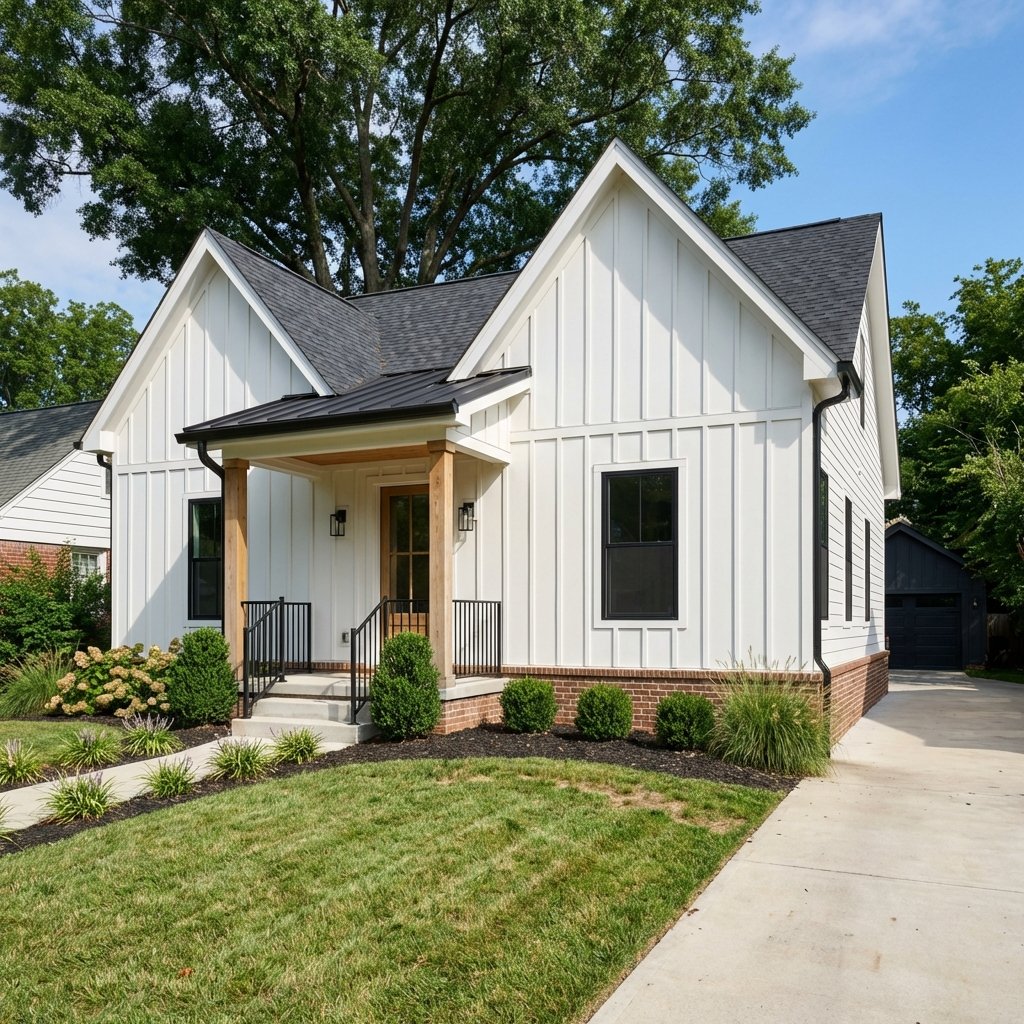
Thinking about moving up to a bigger or higher‑finish home in 12th South, but you live in Berry Hill or Sumner County right now? You are not alone. Many buyers who love Music City’s energy look to 12th South for its walkability, dining and park access. In this guide, you will see what your budget can buy in 12th South, the smartest ways to structure a sell‑and‑buy, and the timing, financing and prep steps that keep your move smooth. Let’s dive in.
12th South at a glance
12th South sits about 2 miles south of downtown Nashville along 12th Avenue South between Kirkwood and Paris avenues. It is a compact, walkable pocket with restaurants, shops and Sevier Park close by. For a simple location refresher, check this neighborhood overview of 12th South’s core corridor.
If you are coming from Berry Hill or Sumner County, note that these are different areas. Berry Hill is its own small city within Metro Nashville, separate from 12th South, with its own city government and boundaries. You can confirm that on Berry Hill’s official page. Sumner County communities, like Hendersonville and Gallatin, sit northeast of Nashville and offer a different suburban setting.
As of January 2026, neighborhood-level reporting places 12th South’s median sale price roughly in the 1.2 million to 1.5 million range, with many recent sales around 500 to 600 dollars per square foot. Days on market often run in the multiple‑week range. Street matters a lot in this micro‑market, so use recent, street‑level comps when you narrow homes.
What your budget buys
Below are practical price bands as of January 2026. Actual options shift by street, lot and finish. Use specific comps to set expectations.
450k to 900k
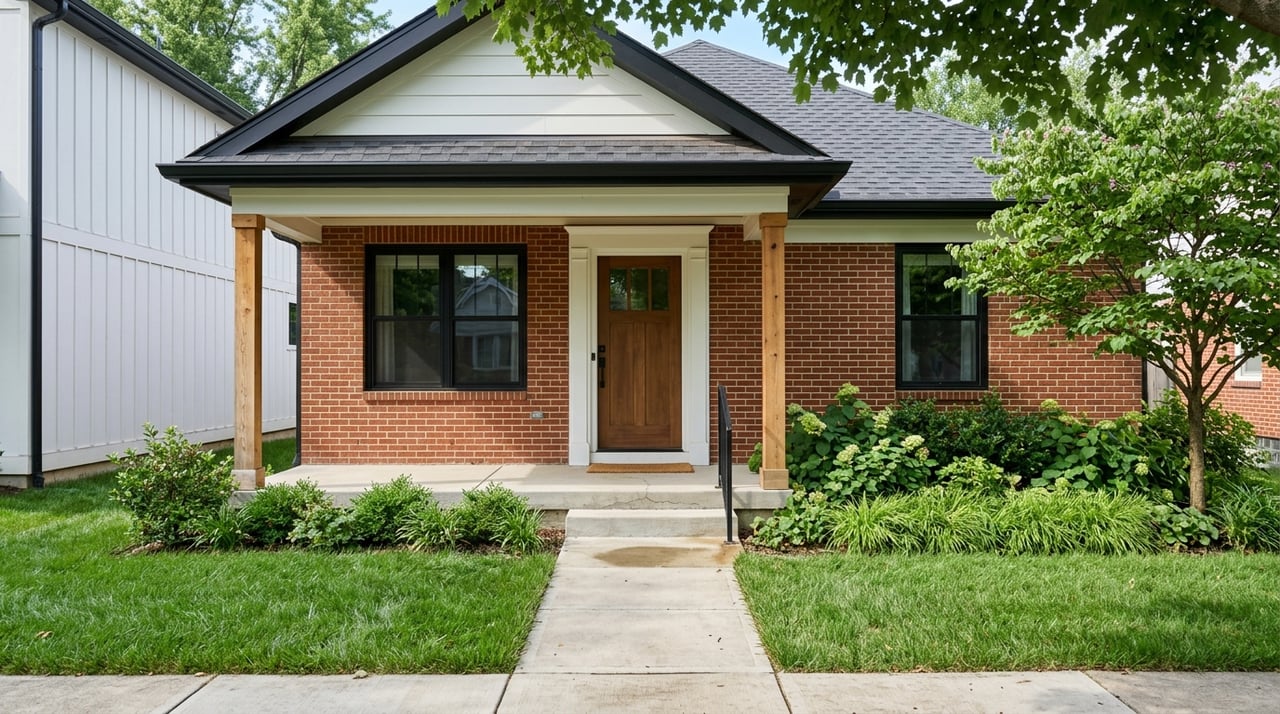
- Typical homes: condos, townhomes and smaller renovated bungalows or ranches, often 1 to 3 bedrooms and modest footprints.
- What you get: updated kitchens and finishes, walkability to the core, and tradeoffs like limited yard or parking. HOA fees may apply in condo and townhome buildings.
900k to 1.6M
- Typical homes: renovated Craftsman bungalows, larger townhomes or newer builds on smaller lots, commonly 1,800 to 3,000 square feet.
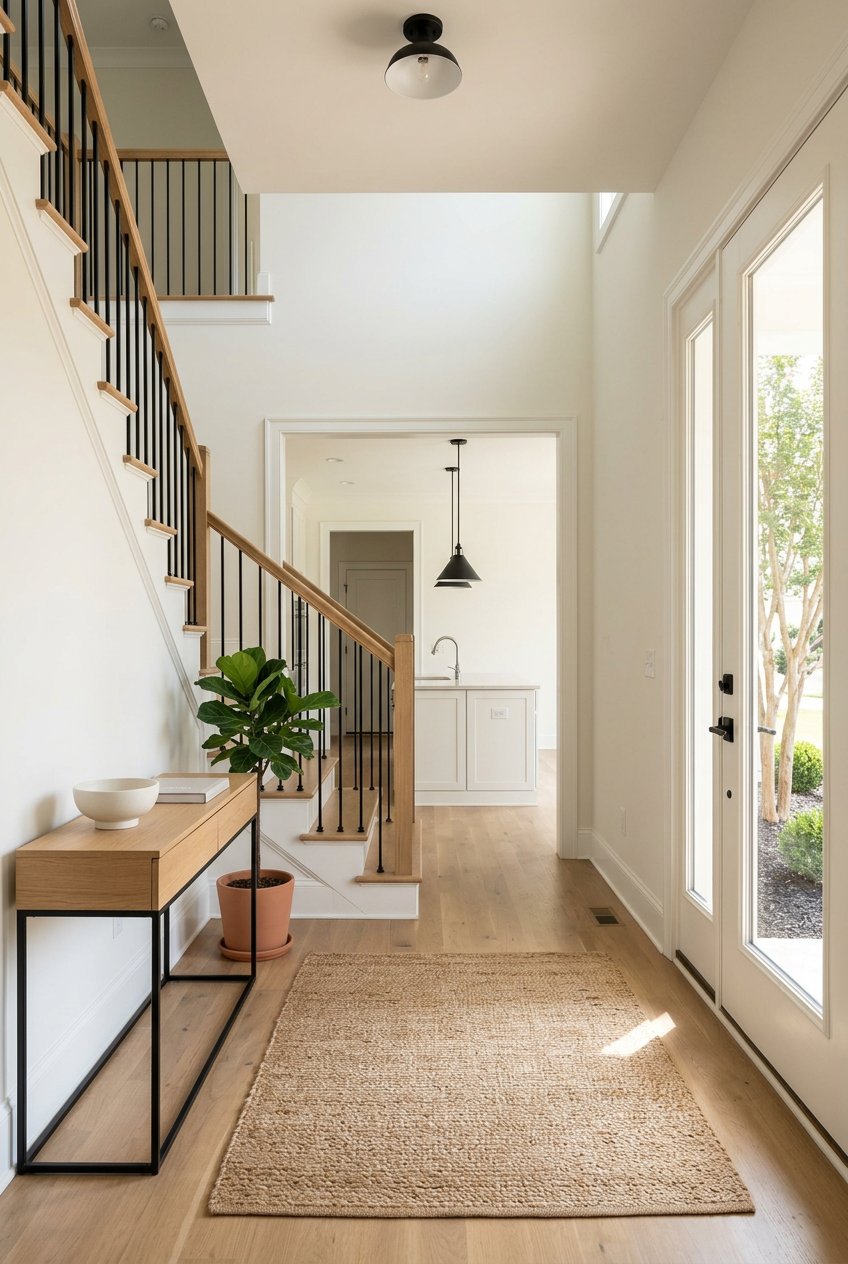
- What you get: open kitchens with higher‑end appliances, a larger primary suite, small private yards and off‑street parking or a one‑car garage.
1.6M to 3.0M
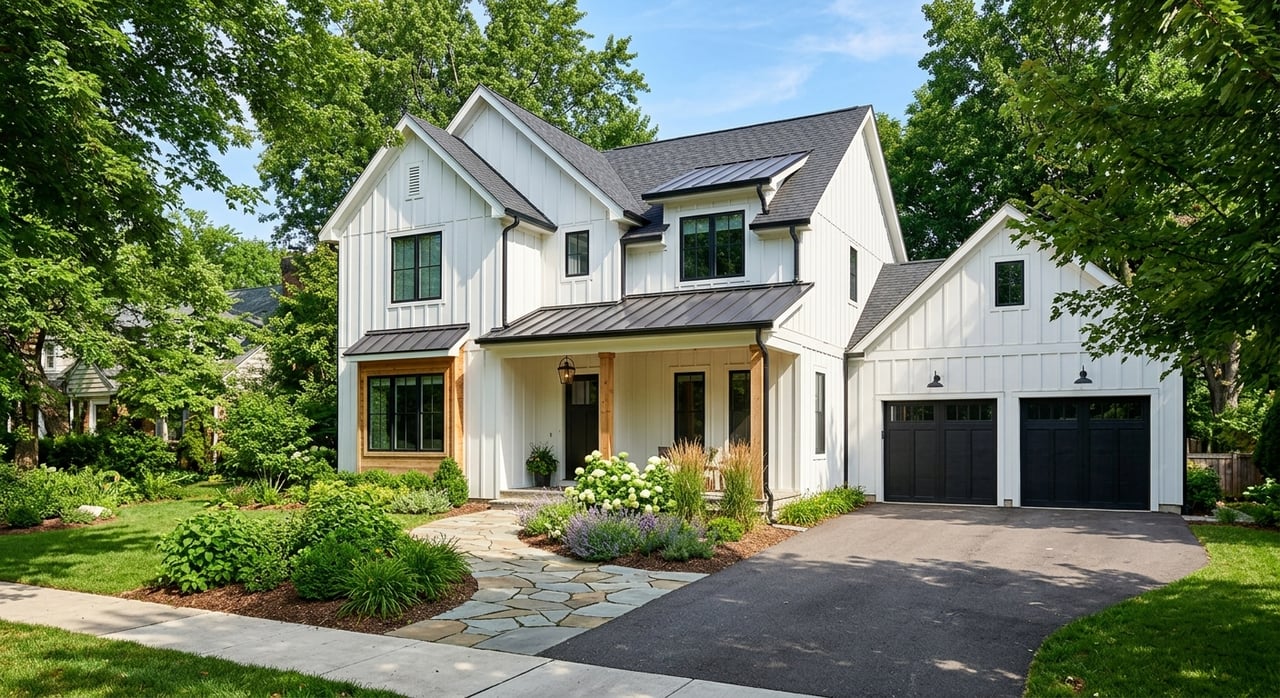
- Typical homes: larger renovated historic homes or contemporary new builds, 2,500 to 4,500 plus square feet.
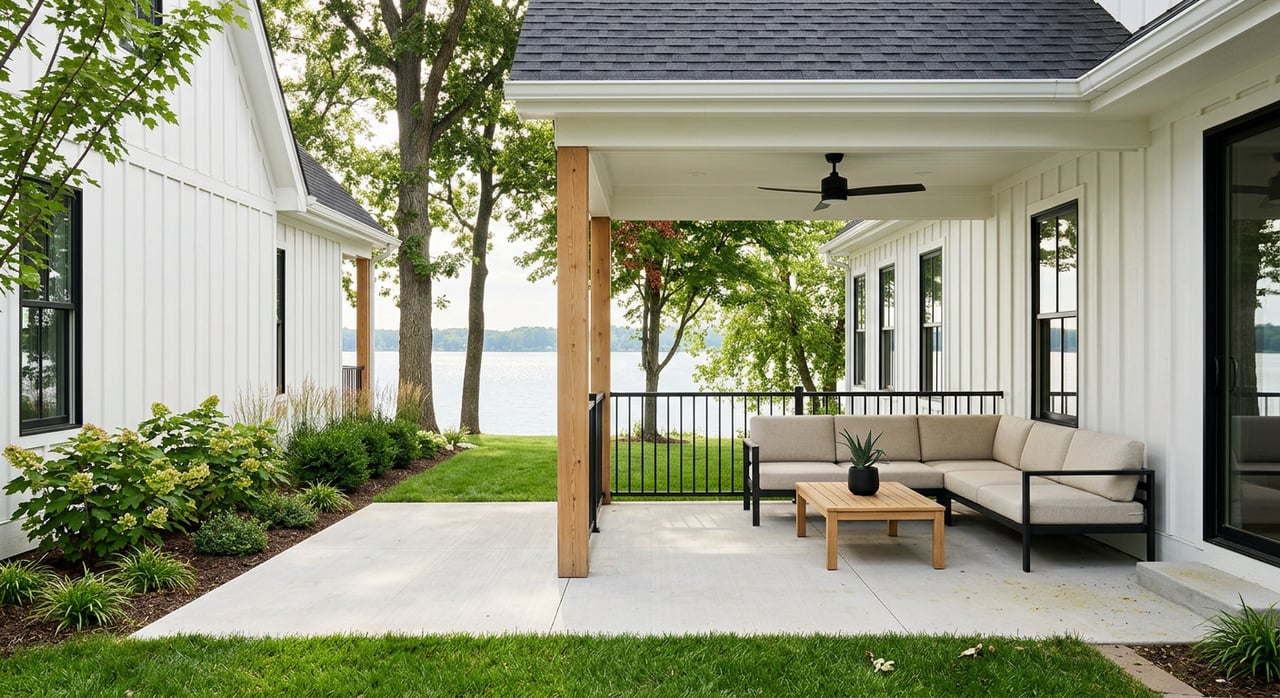
- What you get: custom finishes, multiple living areas, landscaped outdoor space and premium locations. The best streets command top prices per square foot.
3M and up
- Typical homes: architect‑designed rebuilds and fully custom homes. Inventory is limited.
- What you get: extensive finish packages, multiple outdoor living zones and rare, premium settings within the neighborhood.
Choose your move‑up path
There is no single right way to move up. Pick the route that fits your timeline, cash flow and risk tolerance.
Sell first
- How it works: list and sell your current home, then use those proceeds for the next down payment. This avoids carrying two mortgages.
- Pros: lower financing risk and simpler cash flow. Cons: you may need short‑term housing if your ideal 12th South home pops up fast.
- For an overview of buy‑sell timing, see this consumer guide to buying and selling together.
Buy first
- Bridge loan: a short‑term loan that taps your current home’s equity so you can purchase before you sell. Costs and documentation are higher than standard mortgages, and timelines are tighter.
- Buy‑before‑you‑sell service: a capital provider helps you present a strong, often cash‑like offer with fewer contingencies. Fees vary by program. Learn the basics in Homeward’s overview.
- HELOC or home‑equity second: draw on existing equity for your down payment. This adds a second payment until you sell or refinance.
Rent out, then buy
- How it works: convert your current home to a long‑term rental, then qualify for your 12th South purchase using cash reserves and, when allowed, documented rental income.
- What underwriters consider: lenders can count rental income when documented as allowed by agency rules. See the Fannie Mae guide on rental income for the documentation your lender may request.
- Local rules: short stays under 30 days in Nashville require a Short‑Term Rental Property permit and strict compliance. Review Metro’s STRP requirements. Long‑term rentals must follow state landlord‑tenant rules. A helpful summary of Tennessee requirements is here: Tennessee landlord‑tenant basics.
- Taxes: converting a primary residence to a rental can affect your Section 121 home‑sale exclusion and triggers depreciation recapture when you sell. See IRS Publication 523 and speak with a tax professional.
Hybrid techniques
- Home‑sale contingency with kick‑out: you make an offer that is contingent on your home selling, while allowing the seller to accept stronger backups.
- Simultaneous close: sell and buy on the same day with tight title and escrow coordination. See timing notes in the buy‑sell guide.
Financing and loan size
Many 12th South buys exceed conforming loan limits, which means jumbo financing. Check the latest limits in the FHFA’s 2026 announcement, then confirm your numbers with your lender. If you expect a jumbo loan, plan extra time for underwriting and appraisals.
Prep your current home
Targeted updates and thoughtful presentation can boost your net and speed your timeline.
- Renovation budgets: national planning guides put midrange kitchen updates in the tens of thousands of dollars and many bath projects in the 10k to 40k range, depending on scope. See a helpful cost overview here: typical renovation costs. Get local bids for real numbers.
- Staging: professional staging often helps listings photograph and show better, attracting stronger offers for a relatively modest cost.
- Safety and code: if you plan to rent your current home before or during your 12th South purchase, confirm local code and permit needs. Start with Metro’s short‑term rental page and your property’s specific zoning rules.
Timeline checklist
Use this simple sequence to keep your move‑up plan on track.
- Get a current CMA and a purchase pre‑approval. Document cash reserves and, if renting your current home, what your lender will count as income per Fannie Mae rules.
- Choose your strategy: sell first, buy first or rent‑out. If buying first, compare a HELOC with a buy‑before option such as the programs outlined in Homeward’s overview.
- If renting, review Metro requirements for short‑term versus long‑term and set up compliant operations. Start with Metro’s STRP page.
- Budget for fixes and staging. Use the renovation cost guide to shape a realistic allowance and add contingency.
- Coordinate closing dates early if you plan back‑to‑back closings. See timing considerations in this buy‑sell planning guide.
Why 12th South appeals
If you value walkability, 12th South puts dining, coffee, shops and Sevier Park in easy reach. You trade larger suburban lots for a lively, close‑in lifestyle. For a quick feel of the strip, browse this 12th South snapshot, then compare how your day‑to‑day would look versus Berry Hill or Sumner County.
Next steps
A smooth move‑up in 12th South takes street‑level comps, a clear financing plan and tight timing. You do not have to manage that alone. For tailored pricing, off‑market insights and a step‑by‑step move plan, connect with Christian Carroll-Moag. You will get approachable, expert guidance backed by a high‑performing team so you can move confidently.
FAQs
Is 12th South the same place as Berry Hill?
- No. 12th South is a Nashville neighborhood along 12th Avenue South, while Berry Hill is its own small city within Metro Nashville. See Berry Hill’s overview for clarity: official city page.
What are 12th South prices in early 2026?
- As of January 2026, neighborhood reporting shows medians roughly 1.2M to 1.5M, with many sales around 500 to 600 dollars per square foot. Always verify current street‑level comps before you write an offer.
Should I sell first or buy first for a 12th South upgrade?
- Sell first lowers risk and simplifies cash flow. Buy first improves offer strength but can add costs and complexity. Review options in this buy‑sell guide and align with your lender and agent.
Can rental income from my current home help me qualify?
- Sometimes. Lenders may count rental income when it meets documentation rules. See Fannie Mae’s rental income guidance and talk to your lender early.
Will converting my home to a rental affect capital gains taxes?
- It can. Converting may affect your Section 121 exclusion and depreciation is recaptured when you sell. Review IRS Publication 523 and consult a tax professional.
Do I need a permit to Airbnb my old house in Nashville?
- Yes for stays under 30 days. Short‑term rentals require a permit and must follow Metro rules. Start with Metro’s STRP page. Long‑term leases are not STRPs but must follow landlord‑tenant law.
Will I likely need a jumbo loan for 12th South?
- Many purchases exceed conforming loan limits. Check the latest limits in the FHFA’s 2026 release and confirm your loan size and terms with your lender.